Apprenticeship

2025-2026 IUOE Local 132 Winter Class Schedule

Apprenticeship Readiness Pathway

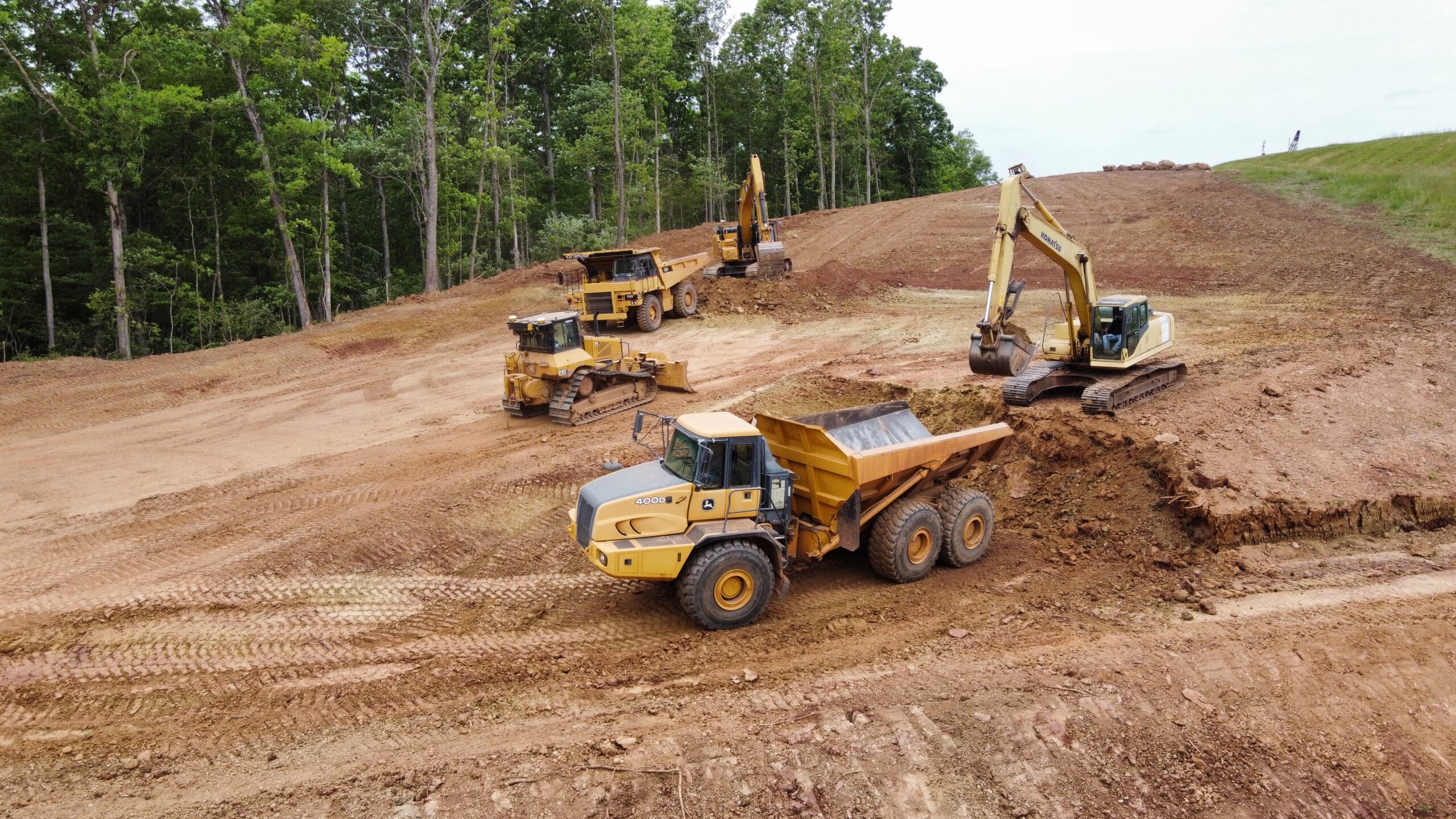
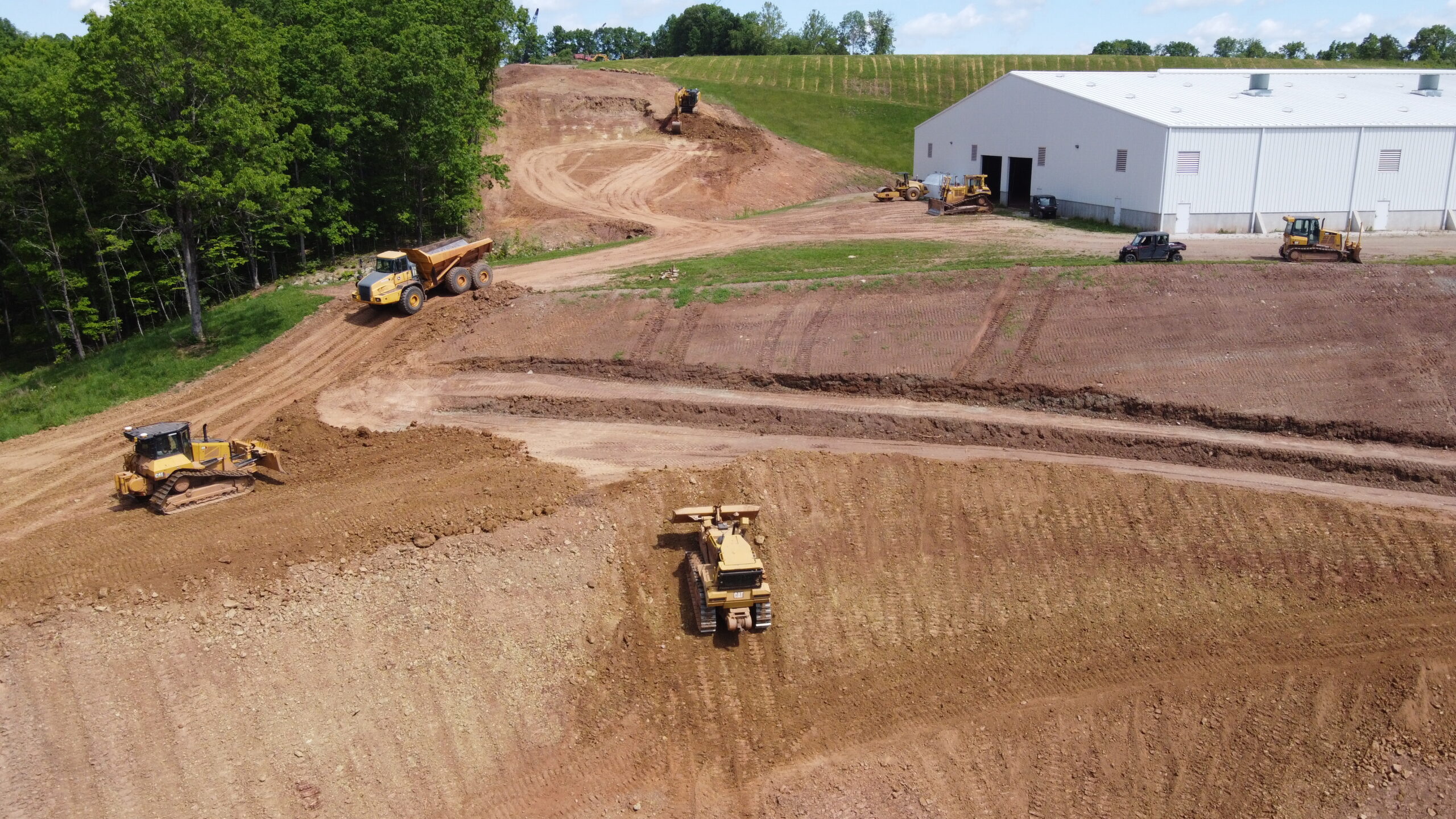
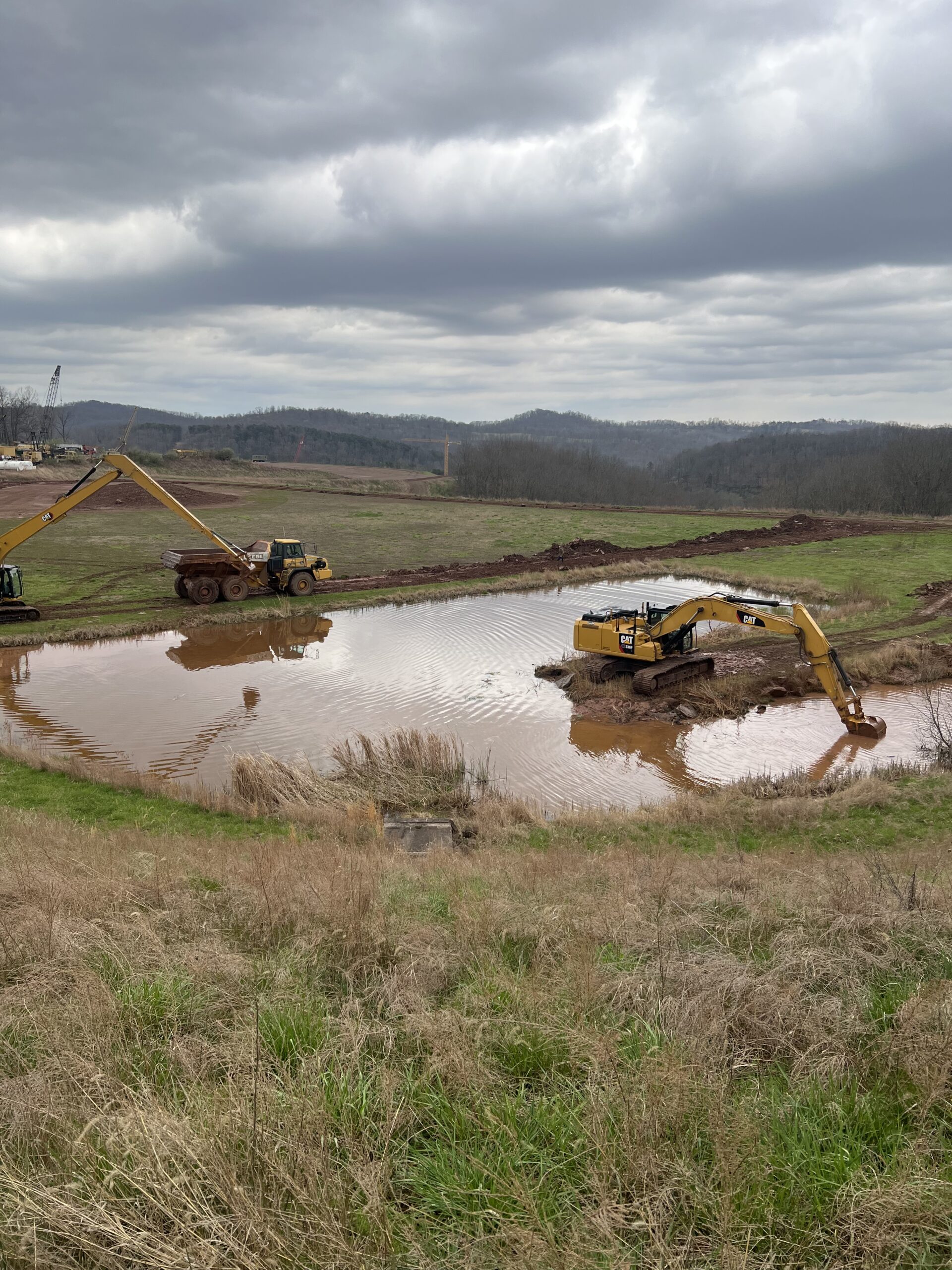
Local 132’s training facility is conveniently located north of Charleston, West Virginia, just off Interstate 77 at the Medina Exit (#154). Set on 230 acres of mountainous terrain, the site offers an ideal environment for realistic, hands-on training in heavy equipment operation and safety practices. In addition to extensive outdoor training grounds, the facility features a modern indoor training center, allowing instruction to continue year-round regardless of weather conditions.

The facility is staffed by five full-time instructors who provide expert guidance to both apprentices and journeymen across a wide range of disciplines and equipment types. West Virginia was one of the first states to require CCO certification under its crane certification law, and Local 132 was the first training location in the nation to host the N.C.C.C.O. (National Commission for the Certification of Crane Operators) practical examination.

Training programs include instruction on:

  • Various pieces of equipment
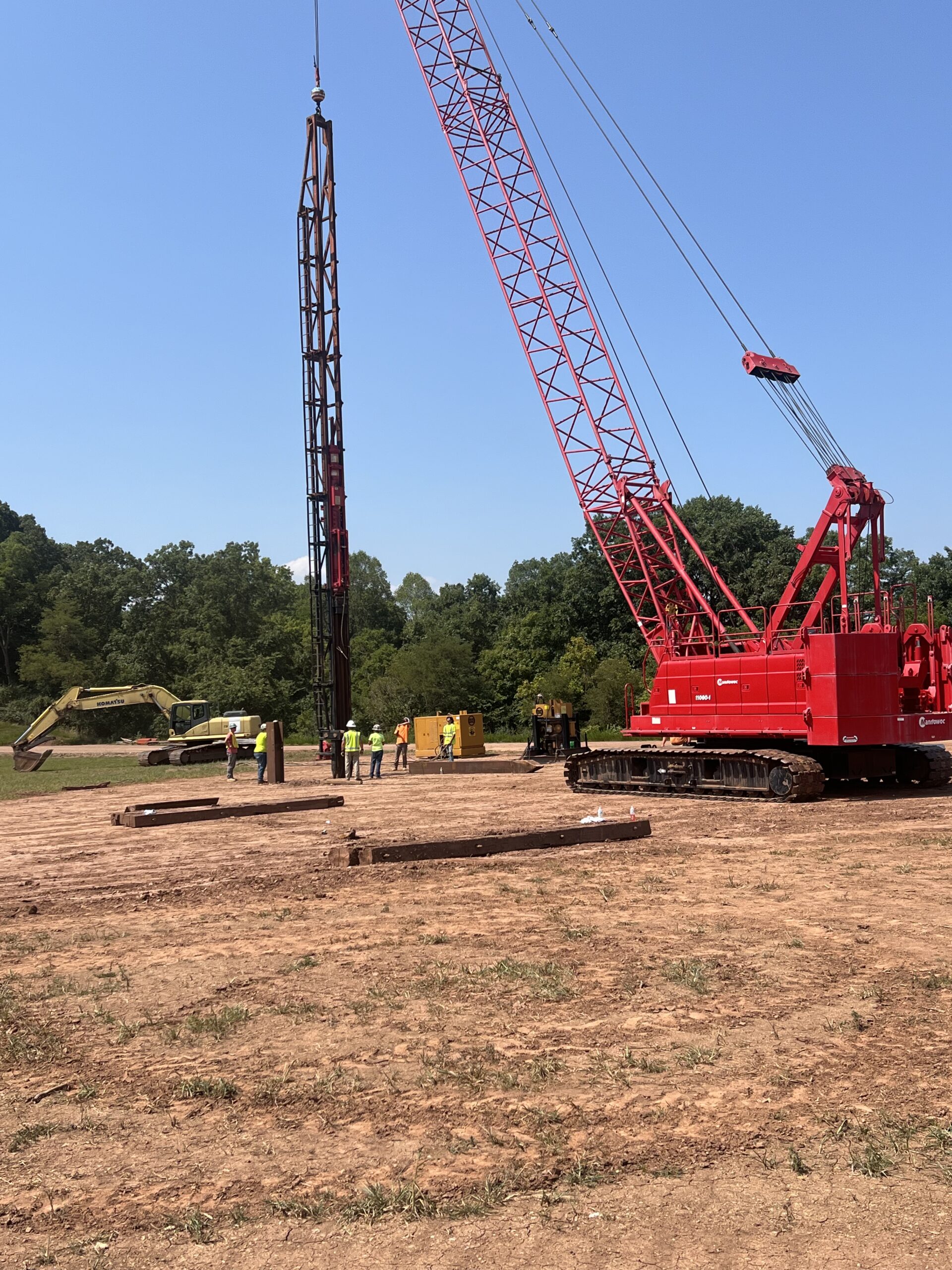
  • Crane and Rigging Operations
  • CDL Preparation
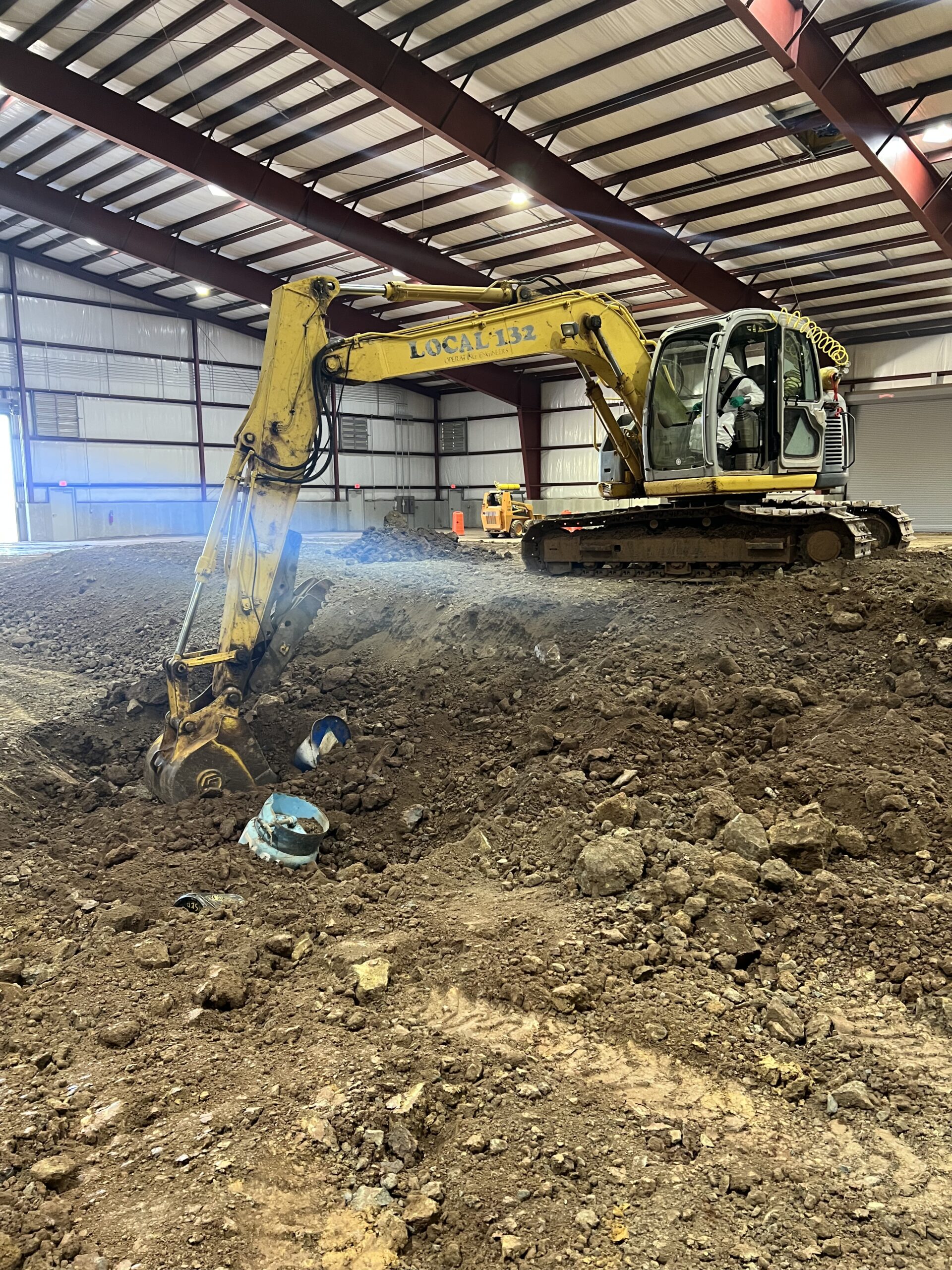
  • Excavation and Trenching
  • GPS Dozer and Grader Operation
  • Pipeline Training
  • CPR/First Aid
  • OSHA 10-hour Construction Safety
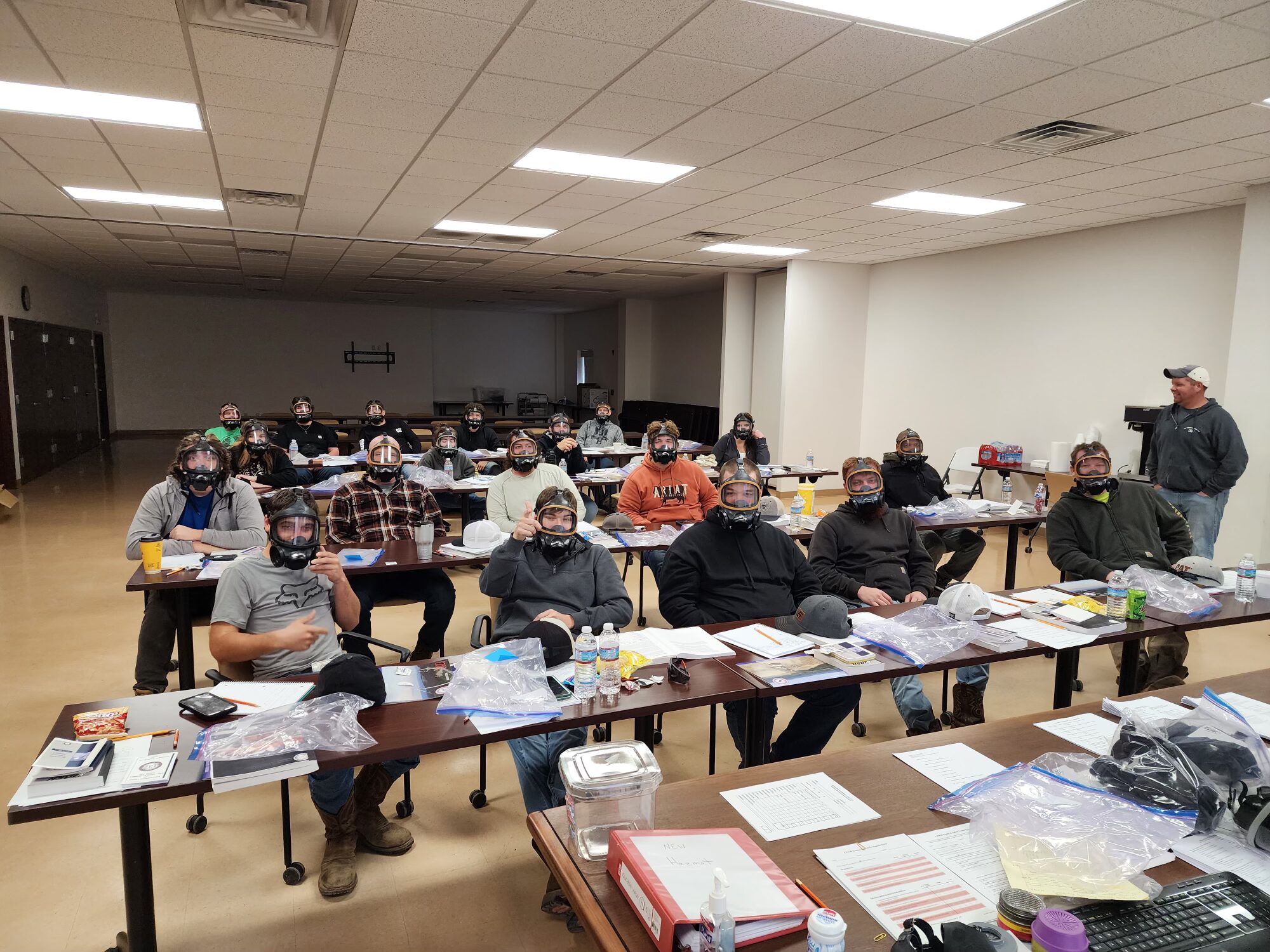
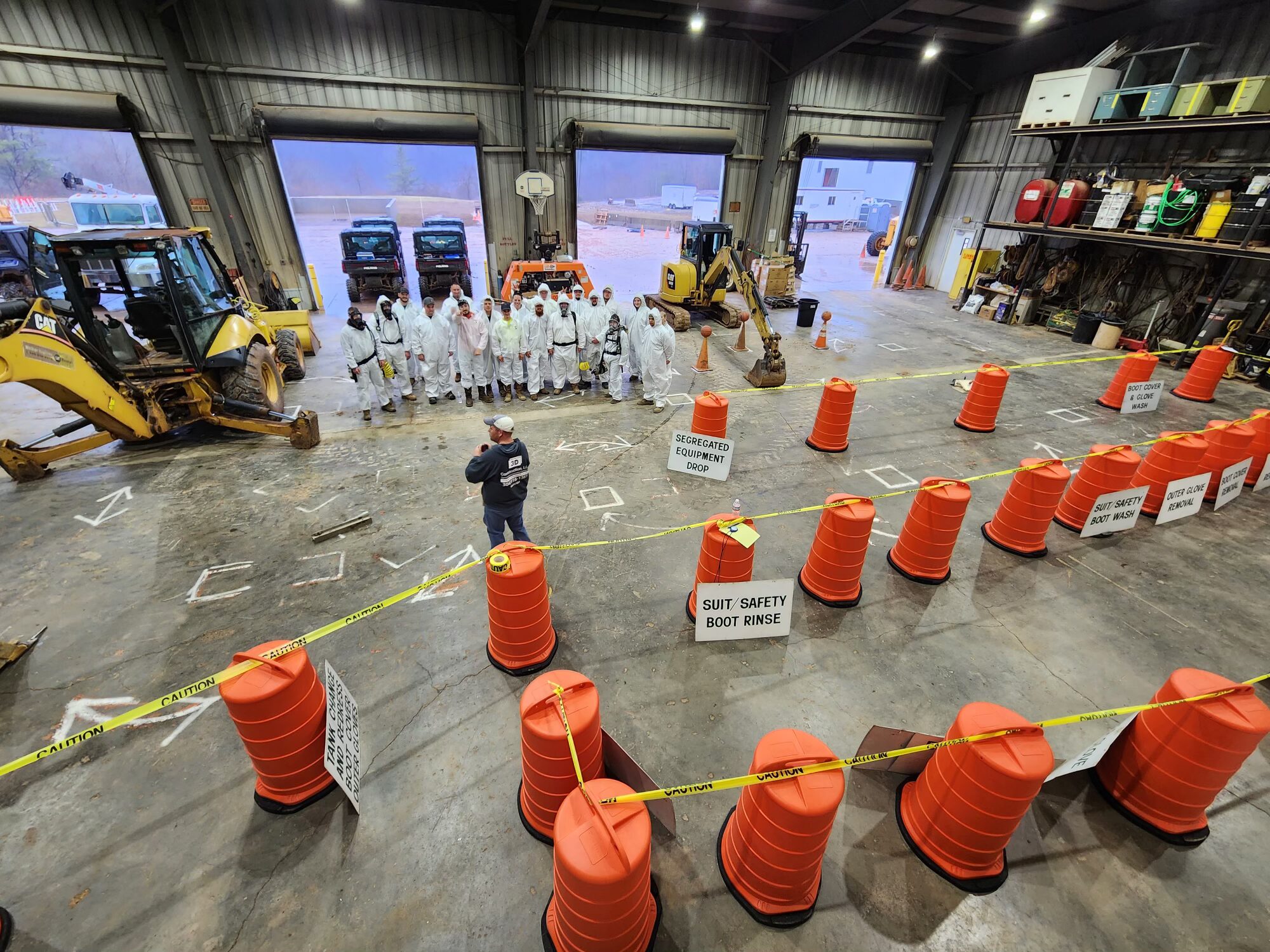
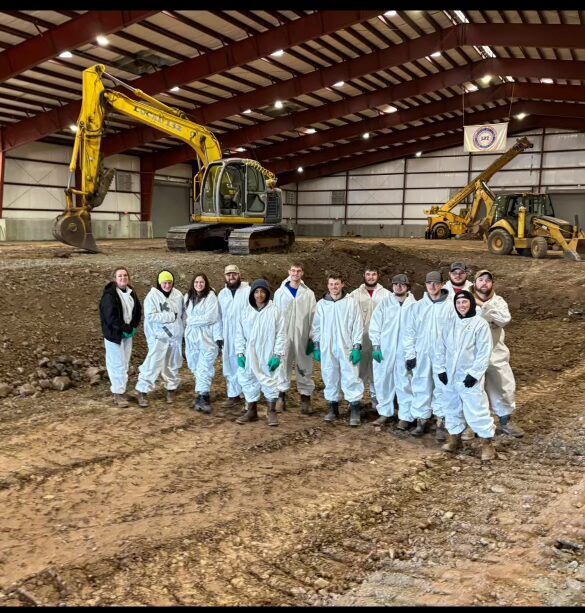
  • HAZMAT – participants receive essential hands-on experience in the proper use of respiratory protection equipment, ensuring compliance with safety standards and preparedness for hazardous work environments.

What the Operating Engineer Does

The men and women of the Operating Engineers operate and maintain a wide variety of power-driven construction machines essential to modern infrastructure and building projects. These include bulldozers, cranes, pile drivers, power shovels, derricks, earth graders, loaders, and tractors used to dig, scrape, grade, and move large quantities of earth or to hoist and position heavy building materials.

Some machines require operators to turn valves, adjust hand wheels, and press pedals to drive the equipment and control specialized attachments. Other machines, such as cranes, demand the continuous and coordinated use of both hands and both feet to safely lift, maneuver, and place loads with precision. In addition to operating equipment, Operating Engineers are often responsible for performing routine maintenance and servicing to ensure safe and efficient operation. They may also be required to transport and relocate machines from one construction site to another, demonstrating versatility and technical skill in a wide range of working environments.

Application Procedures

The IUOE Local 132 Apprenticeship Training School will be accepting applications here on IUOE Local 132’s website when available.

For more information you may contact us at:

IUOE Local 132
Apprenticeship Training School
3377 Medina Road
Ravenswood, WV  26164-5264

Phone:     (304) 273-4852
Toll-free:  (800) 376-4852

Brian Board, Apprenticeship Coordinator

General Qualifications:

  • Age:  Must be a least 18 years of age.
  • Education:  High School graduate, GED, or equivalent.
  • Must be physically capable of performing the work of the trade.
  • Must be a resident of the state of West Virginia for at least one year prior to submitting application for apprenticeship.
  • Must have a valid WV Drivers’ License.
  • Must pass a drug test.

Recommended High School Courses:

  • General Math
  • Algebra
  • Shop Courses (such as mechanics and welding)

Admission Requirements of the Joint Apprenticeship Committee

Transcripts of school records and a copy of High School Diploma, GED, or equivalent.  Each applicant is required to provide the Joint Apprenticeship Committee with a copy of their birth certificate and valid West Virginia Drivers License.

Terms of Apprenticeship Training

The length of an Apprenticeship is three (3) years.  Five weeks of training are required each year at the Training Site located near Ravenswood, West Virginia.  1,000 OJT hours and an equipment operations evaluation are required each year to be advanced to the next year.

Apprentices must be able to travel and be available to work throughout the state of West Virginia.

Apprentices are not paid during training weeks or when they are on job laid-off.  They are paid only when working.

Training is provided at no charge to apprentices.